Synthetic Minds | When Thought Becomes the Interface
Synthetic Minds | When Thought Becomes the Interface
Synthetic minds is evolving. Short bi-weekly insights to get you thinking. If you enjoy it, please forward. If you need more insights, subscribe to Futurwise and get 25% off for the first three months!
Last year, I was elected the world's #1 futurist, and voting for 2026 is now open! Your vote would mean a lot to me, it takes 2 seconds. Vote here. Thanks!
The line between mind and machine just blurred again
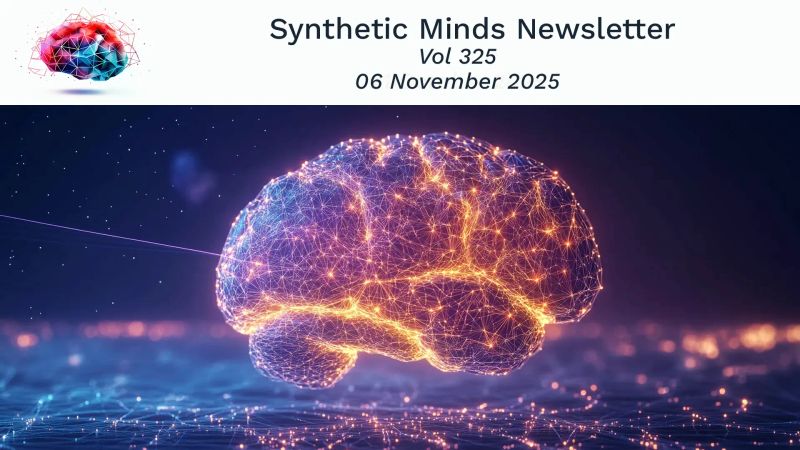
Researchers at Cornell University have created a neural implant so small it could sit on a grain of salt, yet powerful enough to stream live brain activity for more than a year.
The microscale optoelectronic tetherless electrode (MOTE) works without wires, surgeries, or bulky hardware. It’s not science fiction; it’s the next iteration of neurotech reality.
This breakthrough doesn’t just shrink the hardware, it shrinks the timeline. Brain–computer interfaces once thought to be a decade away from practical use are now two or three years out.
The MOTE could soon help stroke patients recover movement, restore sight or speech, or connect paralyzed individuals directly to digital systems. Thought to action, literally.
But there’s another layer. When we can record and transmit thoughts, what happens to privacy? Who owns neural data? What stops a corporation from monetizing your mind the way it does your clicks? The brain is the last private space we have, and we’re opening the door.
If language models let us speak to computers in plain English, BCIs will let us skip the speaking altogether. Thought will become code. The implications are exhilarating, and terrifying.
So, my question is: When your thoughts can interface directly with machines, will you still be in control, or merely connected?

'Synthetic Minds' continues to reflect the synthetic forces reshaping our world. Quick, curated insights to feed your quest for a better understanding of our evolving synthetic future, powered by Futurwise:
1. The investigation into AI safety and effectiveness tests has revealed a pressing need for shared standards and best practices. What does this mean for public safety and AI development? (The Guardian)
2. Not only the good guys use AI. In a disturbing trend, nation-state goons and cybercrime rings are experimenting with Gemini to develop a 'Thinking Robot' malware module. (The Register)
3. Roblox is not as friendly as it might seem. This popular online game platform has been criticized for its safety features and potential for child exploitation. Parents, be aware, and don't let your kid on Roblox without supervision! (The Guardian)
4. Google's Threat Intelligence Group warns of a new era in cybercrime where attackers are deploying AI-enabled malware directly in active operations. What does this mean for cybersecurity? (Silicon Angle)
5. Scientists just made a major breakthrough in quantum communication! They've found a way to send quantum signals from Earth to satellites, paving the way for high-bandwidth quantum networks. (Phys.org)
If you are interested in more insights, grab my latest book Now What? How to Ride the Tsunami of Change and learn how to embrace a mindset that can deal with exponential change.
If this newsletter was forwarded to you, you can sign up here.
Thank you.
Mark
Frequently asked questions
What is the MOTE neural implant?
The MOTE, or microscale optoelectronic tetherless electrode, is a neural implant created by Cornell University researchers that is so small it could sit on a grain of salt. Despite its tiny size, it can stream live brain activity for more than a year without needing wires, surgeries, or bulky hardware, making it a major advance in neurotech.
Link to this questionHow does the MOTE change the timeline for brain-computer interfaces?
Brain-computer interfaces once thought to be a decade away from practical use are now estimated to be only two or three years out because of the MOTE breakthrough. This shrinking of the timeline means thought-to-action technology could arrive much sooner than previously expected, moving from theoretical research toward real-world application.
Link to this questionWhat medical benefits could the MOTE implant provide?
The MOTE could help stroke patients recover movement, restore sight or speech, and connect paralyzed individuals directly to digital systems. By streaming brain activity wirelessly, it opens the door to turning thought directly into action, offering new possibilities for people with conditions that currently limit movement or communication.
Link to this questionWhat privacy concerns arise from brain-computer interfaces?
When thoughts can be recorded and transmitted, questions emerge about who owns neural data and what stops a corporation from monetizing your mind the way it already does your clicks. The brain has been described as the last private space we have, and technologies like the MOTE risk opening that space to outside access and control.
Link to this question
Dr Mark van Rijmenam
Dr. Mark van Rijmenam, widely known as The Digital Speaker, isn’t just a #1-ranked global futurist; he’s an Architect of Tomorrow who fuses visionary ideas with real-world ROI. As a global keynote speaker, Global Speaking Fellow, recognized Global Guru Futurist, and 5-time author, he ignites Fortune 500 leaders and governments worldwide to harness emerging tech for tangible growth.
Recognized by Salesforce as one of 16 must-know AI influencers , Dr. Mark brings a balanced, optimistic-dystopian edge to his insights—pushing boundaries without losing sight of ethical innovation. From pioneering the use of a digital twin to spearheading his next-gen media platform Futurwise, he doesn’t just talk about AI and the future—he lives it, inspiring audiences to take bold action. You can reach his digital twin via WhatsApp at: +1 (830) 463-6967.